Mysterious Moth Found After 70 Years – A Big Win for Nature Lovers
Scientists discovered a rare moth in England after it hadn’t been seen for 70 years. The find shows how caring for gardens and forests can bring back hidden wildlife. Learn why this moth matters and how you can help protect it.
The News Of Kids
Reklamsız okumak için
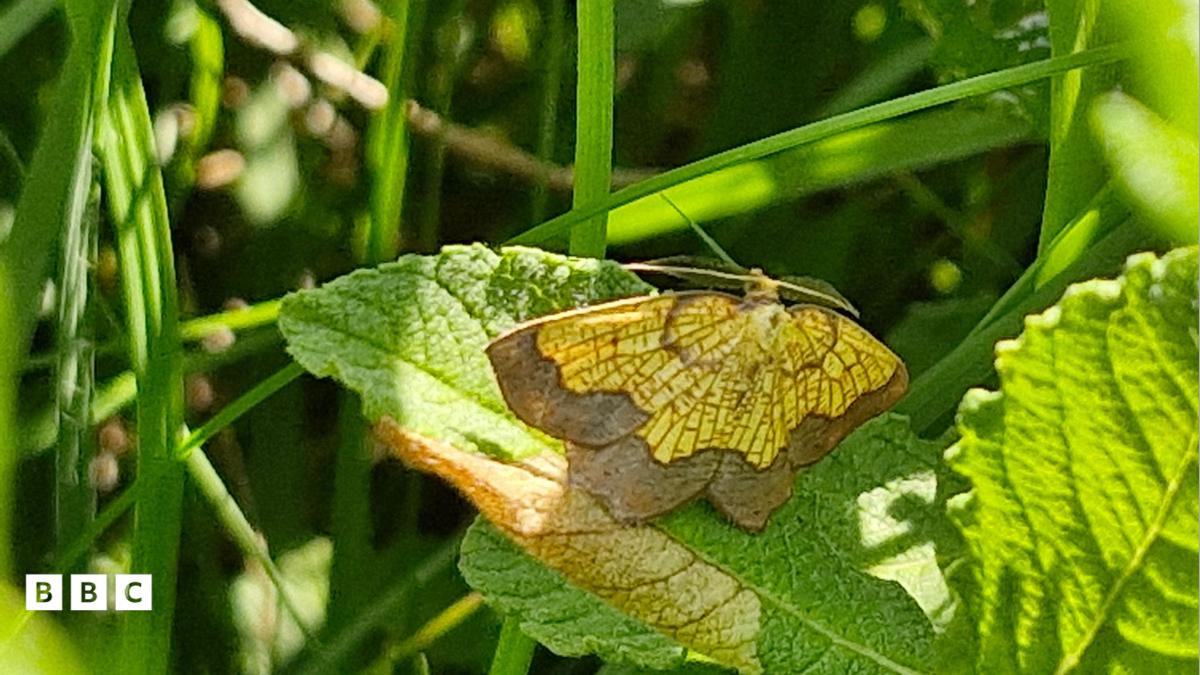
What is the Dark Bordered Beauty Moth?\nThe Dark Bordered Beauty is a small, chocolate‑and‑custard coloured moth that lives in the north of England and Scotland. It is very shy and hides in leaf litter, so it is hard to spot. Scientists call it a \"rare\" moth because only a few places in the world have it now.\nWhy is it Special?\nThis moth is a good example of how animals can disappear when their homes change. In the past, it lived all over northern England, but losing trees and farms made it hard for the moth to survive. Scientists worry that if the moth disappears, the plants it likes to eat – aspen and creeping willow – could also be affected.\nHow Did Scientists Find It?\nDr. Dave Wainwright, who works for Butterfly Conservation, searched the Wallington Estate in Northumberland for many years. In 2004 he looked there but found nothing. After the National Trust turned the land into a nature‑friendly farm, with more wildflowers and less grazing, the moth returned. In just ten minutes, the team spotted one and then found more.\nWhat Can We Do to Help?\nYou can help by planting aspen or creeping willow in your garden. These plants give the moth’s caterpillars food. You can also keep your garden free of pesticides and let some areas grow wild. If you see a moth, leave it alone and watch it fly away.\nDid you know? – Fun Facts About Moths\n- Moths have tiny \"second heads\" on their wings that help them hide from predators.\n- Some moths can change colour to blend into their surroundings.\n- The Dark Bordered Beauty’s wings look like a piece of art, and scientists hope to use its pattern to inspire new designs.\nWhy Does This Matter to You?\nWhen we protect a moth, we also protect many other insects, birds, and plants that live in the same area. Healthy gardens and forests give us clean air, fresh water, and a place to play. By learning about the moth, you learn how small actions can make a big difference.\nWhat Happens Next?\nButterfly Conservation is working with the Yorkshire Wildlife Trust to improve the moth’s home at Strensall Common. They plan to plant more wildflowers and keep the area safe from too many animals. The hope is that the moth will grow back to healthy numbers.\nHow to Stay Informed\nIf you want to learn more, visit the Butterfly Conservation website or read books about insects. You can also join a local nature club to help with planting and clean‑up projects.\nRemember: Every small step helps keep our planet bright and full of life.
📰 Source:BBC Newsround