♻️ Environment🎂 8-14 years📅 August 6, 2026
Fuel Production from Cheese Waste
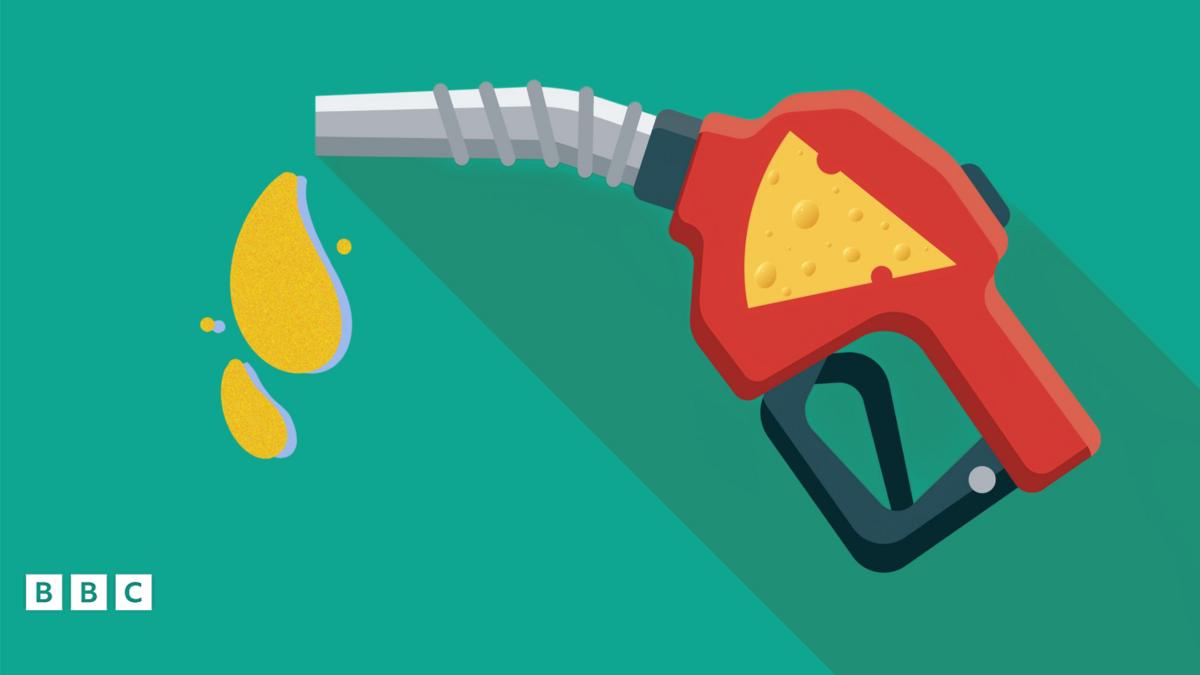
Scottish scientists have developed a method to turn cheese production waste into fuel. This discovery is crucial as large amounts of this waste can harm the environment. But how did they do it?
AdvertisementGo Premium →
📢
The News Of Kids
For ad-free reading
Cheese Production and Waste
During cheese production, the liquid left in the cheese is called 'whey'. This liquid contains milk sugars and salt, so dairy companies can't simply dump or reuse it. Large amounts of this waste can harm soil, water, and waste treatment systems.Research and Discovery
Researchers from Heriot-Watt University in Edinburgh, along with a company called Take Root Bio, worked to turn salty whey into something useful. And they succeeded in turning this waste into bioethanol, a type of fuel.Production and Environmental Impact
In the UK, about 95,000 tons of salty whey are produced each year from cheddar and similar cheeses. Some dairy producers generate tens of thousands of liters per week. So, disposing of salty whey waste is a significant problem. Take Root Bio's founder, Kirk Siderman-Wolter, said, 'When we stop seeing something as waste and start asking what it could be, we discover interesting things.'Future Plans
Before this idea can be widely used, more work is needed. Researchers aim to develop small mobile production units to process salty whey near dairy factories, reducing long-distance transportation.Did You Know?
- Millions of tons of waste are generated worldwide during cheese production. - Most of this waste harms the environment if not disposed of properly. - Bioethanol is seen as a cleaner and more sustainable alternative to fossil fuels.Conclusion
Producing fuel from cheese waste could be a big step for the environment and the economy. This discovery shows that waste can be evaluated correctly and turned into something useful. We hope to see more innovative solutions in the future.📰 Source:BBC Newsround


