First Baby Beavers Born in Scotland's Highlands After 400 Years
In Scotland's Highlands, the first baby beavers have been born in Glen Affric after about 400 years. These baby beavers show what can happen when nature is protected and recovered.
The News Of Kids
Reklamsız okumak için
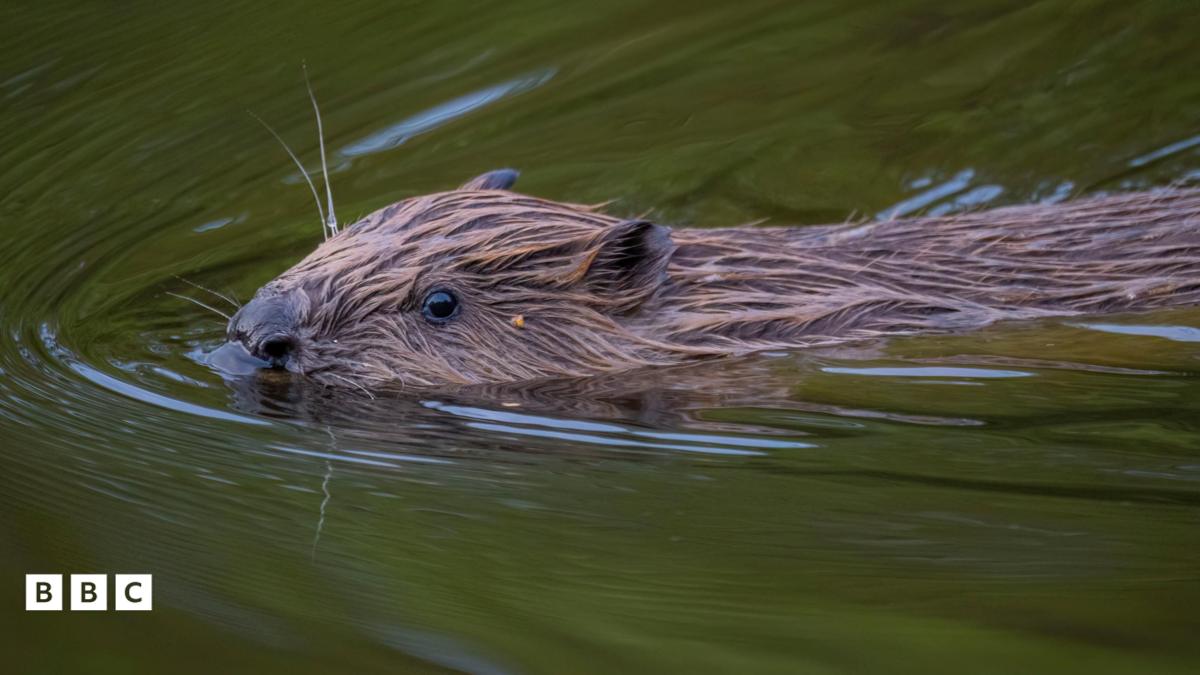
In Scotland's Highlands, the first baby beavers have been born in Glen Affric after about 400 years. At least two baby beavers have been spotted in Loch Beinn a Mheadhoin, a wild area known for its amazing views and as one of Scotland's most beautiful places. The baby beavers were probably born in May or June, but people only saw them recently because beavers are shy and mostly come out at night. Wildlife cameras set up by the charity Trees for Life took pictures of the baby beavers. One baby beaver was even seen playing next to its mom. Tobias Leask from Trees for Life's Beaver Management Office said, 'These baby beavers represent a wild life success story that has been going on for four centuries, and they show what nature can do when we give it a chance.' 'Seeing them for the first time was an unforgettable moment. I felt like I was witnessing history.' How can beavers help prevent flooding? Beavers can turn a forest into a living wetland. The beaver families in Glen Affric were brought here in October and February, and the baby beavers were born in May or June. The Eurasian beaver, now a protected species, used to live all over Scotland but disappeared due to hunting. The animals were brought back to Scotland in 2009. The beavers in Glen Affric are part of a project run by Trees for Life and Forestry and Land Scotland. Eleven beavers were moved from the east coast of Scotland, where they lived on farms, to this place. Beavers can change the landscape in helpful ways. They build dams and create wetlands. Wetlands are full of fish, birds, insects, and plants, and they can help clean the water and slow down floods. Although beavers can sometimes cause flooding in small areas, the project team says they are ready to solve any problems quickly. Local volunteers are also helping to monitor the beavers and report on how they are settling in. Tobias Leask said, 'These young animals represent the first generation of beavers to shape the future of Glen Affric - creating wetlands that support many other species, improve water quality, and build resilience to climate change. It's a great milestone for everyone involved in the project.' Did you know? Beavers are known as nature's engineers. They build dams, create wetlands, and provide homes for many other animals. Beavers also help clean the water and slow down floods, making life easier for humans and other animals.
📰 Source:BBC Newsround