Ancient Koala Discovery - With Dimples!
Fossils found in an Australian museum collection have revealed an ancient koala species with dimple-like holes, different from modern koalas. This species went extinct about 28,000 years ago. Scientists explain what we can learn from this discovery and why it's so important.
The News Of Kids
Reklamsız okumak için
## Ancient Koala
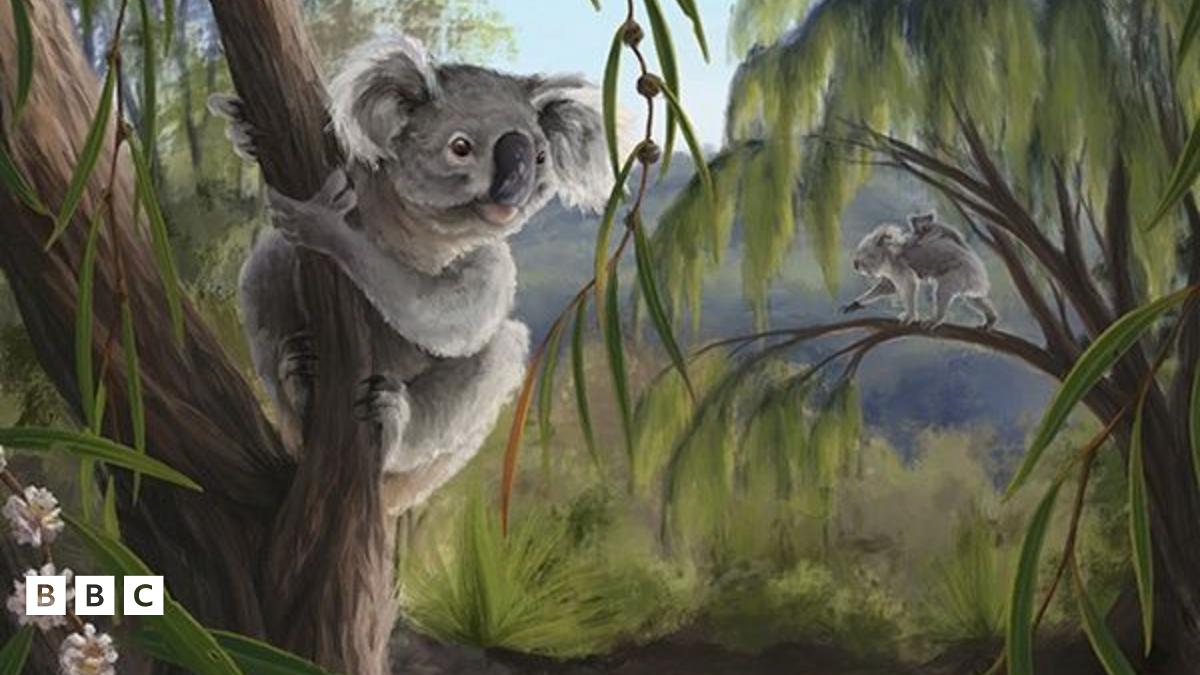
Fossils found in an Australian museum collection have revealed an ancient koala species with dimple-like holes, different from modern koalas. This species went extinct about 28,000 years ago.
## How Was It Discovered?
The fossilized jawbones at the Western Australian Museum were found to be different from those of modern koalas. This difference led scientists to conduct a deeper investigation. The examination of the fossils showed that this ancient koala species was different from modern koalas.
## Why Did It Go Extinct?
Scientists think that the extinction of this koala species might have been caused by changes in rainfall and the reduction of eucalyptus forests, which are the main habitat and food source for koalas.
## Characteristics of the New Species
The newly discovered koala species was given the Latin name Phascolarctos sulcomaxilliaris. Its fossils were found in many cave sites in southern Western Australia. Scientists discovered that this species had different characteristics than modern koalas. The deep dimples in the jawbones suggest that this koala might have had large, movable lips and a better sense of smell.
## Did You Know?
It's thought that this ancient koala species might have been less intelligent than modern koalas. Also, it's believed that this species moved less between trees and spent less time chewing its food.
## The Future of Koalas
Koalas are commonly found on the eastern coast of Australia, but the discovery of this new species provides more information about koala species. Scientists think that this discovery is important for the conservation and future of koala species.
## Conclusion
The discovery of this ancient koala species shows what we can learn from it and why it's so important. Scientists believe that this discovery is crucial for the conservation and future of koala species. It's very important to protect and ensure the future of these species for the next generations.
📰 Source:BBC Newsround